30% off today$16.95 $11.86·ends tonight
☰✕
Documents
US passport photo2×2 inUSCIS photoGreen card photoUS visa photoDigital photoonline renewalBaby passport photoRequirements
US passport photo requirementsPhoto examples that passFree photo checkerSize & dimensionsBackground rulesGlassesGuides
All passport & visa guidesHow long it actually takes to get a passportRenewing your passport by mail, step by stepApplying for your first passportExpedited passports, honestly explainedWhat a passport actually costsHow it works
How we verifyPricing$11.86Where to get oneMoney-back guaranteeHow we verify
Anyone can claim a photo is compliant. This page sets out what we actually measure, where the rules come from, and where our checks stop — so you can judge the claim rather than take it.
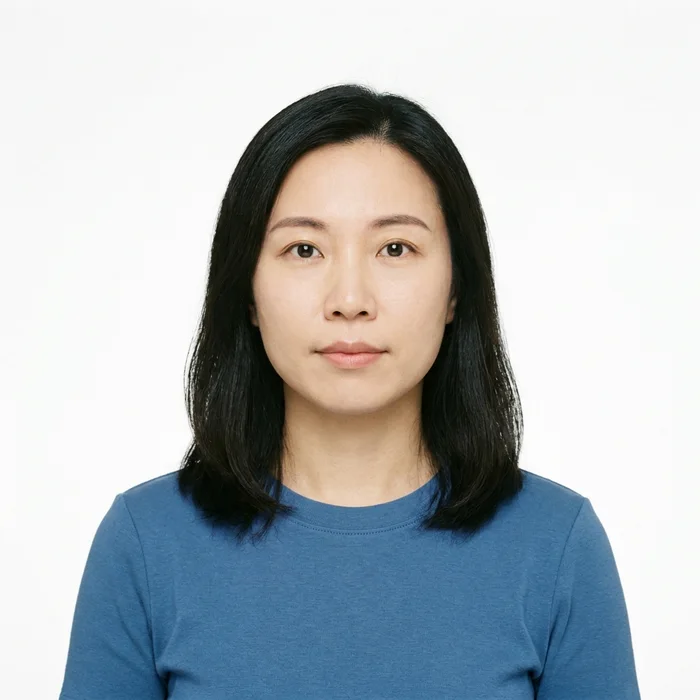 ✓
✓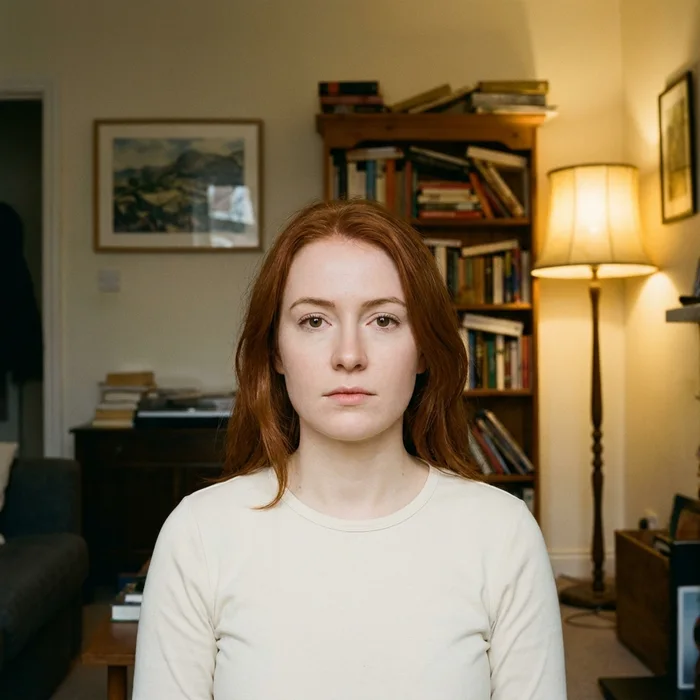 ✕
✕See all 10 examples
Where the rules come from
Every specification we check against is taken from the issuing authority itself — for US passports, the Department of State — and never from a competitor, a summary or an aggregator. Each requirements page lists its sources with the year they were last checked, and quotes the authority's own wording rather than paraphrasing it.
The same numbers drive both the published pages and the software. The head-height band shown on our requirements page is the literal value the checker compares your photo against — they cannot drift apart, because they are one definition used twice.
What each check actually does
Not all checks are equal, and it would be misleading to present them as though they were. Three kinds:
Head height
Measured, not estimatedThe finished photo is measured from the bottom of the chin to the top of the hair and compared against the official band of 1 – 1⅜ in. We re-measure the cropped result rather than trusting the crop we just applied, so the number you see is an independent reading.
Eye position
MeasuredThe eye line is located in the finished photo and checked against the required distance from the bottom of the frame.
Background
True by constructionWe do not attempt to detect whether your background is plain — we replace it. The person is separated from the original photo and composited onto the required color, so a compliant background is guaranteed rather than assessed.
Your actual face
True by constructionYour pixels are never regenerated. Earlier versions used generative AI to redraw the photo, which subtly altered faces. The current pipeline cuts you out and moves you — it cannot change what you look like, which matters when a border officer compares the photo to you.
One face, eyes open, expression
Model-assessedA vision model examines the finished photo. These are judgements rather than measurements, which is why they are the checks most likely to be conservative.
Glasses, lighting, sharpness
Model-assessedAlso judged by a model on the finished photo. Where a country permits glasses, a detected pair is reported as a warning rather than a failure, because the rule allows them even though photographers advise against them.
What we do not check
- Whether the photo looks like you today. We verify it matches the photo you uploaded, not that the upload is recent — the six-month rule is yours to honour.
- Whether you are wearing a uniform, or a head covering without the required statement. A model may notice, but we do not treat it as a measured check.
- Whether the issuing authority will accept it. Nobody can promise that, which is why the guarantee exists.
You see the result before you pay
The full report and a watermarked preview are free. Payment comes after you have seen every check pass, not before — which is the practical difference between a verification and a promise. If a photo we approved is refused by the authority, you get your money back.
Check a photo now — free
Upload one and read the report. No account, no payment until it passes.
Check my photo