30% off today$16.95 $11.86·ends tonight
☰✕
Documents
US passport photo2×2 inUSCIS photoGreen card photoUS visa photoDigital photoonline renewalBaby passport photoRequirements
US passport photo requirementsPhoto examples that passFree photo checkerSize & dimensionsBackground rulesGlassesGuides
All passport & visa guidesHow long it actually takes to get a passportRenewing your passport by mail, step by stepApplying for your first passportExpedited passports, honestly explainedWhat a passport actually costsHow it works
How we verifyPricing$11.86Where to get oneMoney-back guaranteeOfficial specifications
Passport Photo Requirements
Passport photo rules are more specific than most people expect, and more of them are measured than guessed. Below: the exact US specification taken from the issuing authority, the rules that apply almost everywhere, and the handful that catch people out.
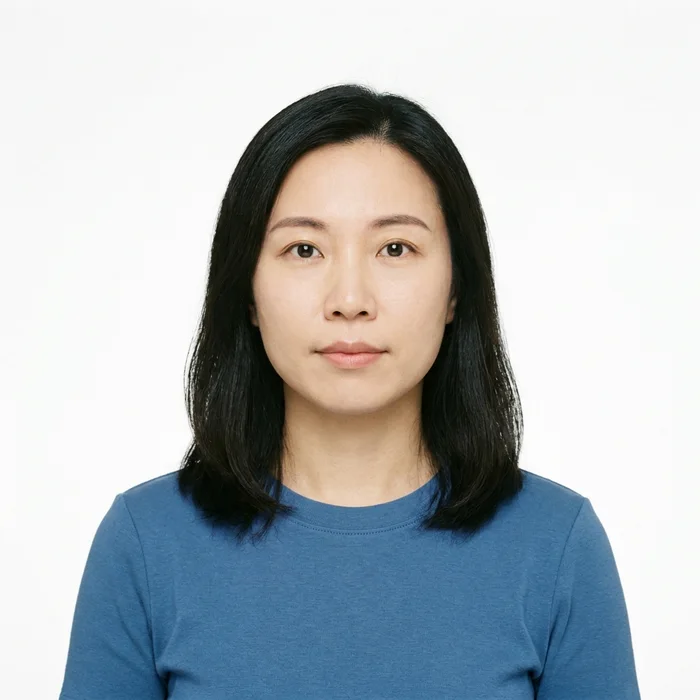 ✓
✓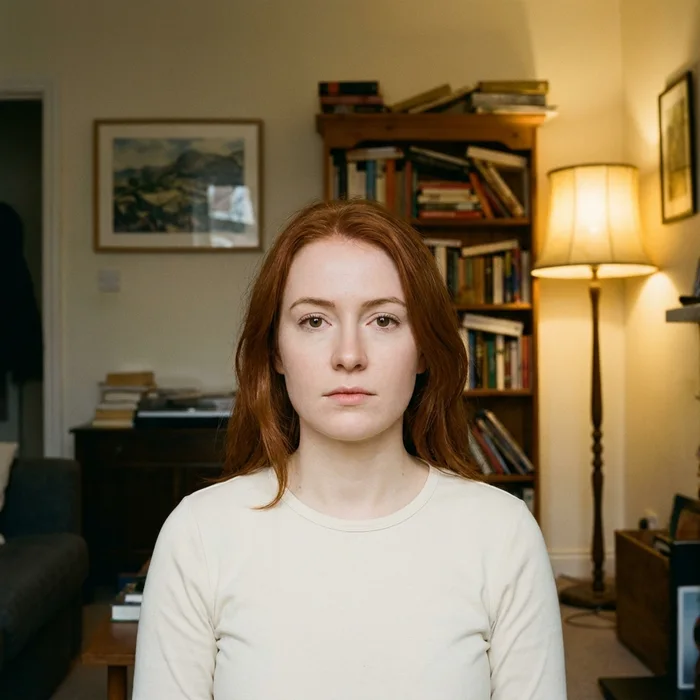 ✕
✕See all 10 examples
The rules that are measured, not judged
Most photo requirements read like guidance — plain background, neutral expression, no shadows. Two of them are arithmetic, and they are the two that fail most often.
Head height is measured from the bottom of the chin to the top of the hair — not the top of the skull, which is why a high hairstyle can push a perfectly good photo over the limit. In the US the band is 1 to 1⅜ inches within a 2-inch square, so you have about three-eighths of an inch of tolerance in total. Photographs taken at a normal conversational distance land below it almost every time.
Eye position is measured from the bottom edge of the photo, between 1⅛ and 1⅜ inches in the US. It is why cropping a square out of an ordinary portrait rarely works: getting the head size right usually puts the eyes in the wrong place, and fixing the eyes breaks the head size.
The rules people are surprised by
Glasses are banned in the US
Since November 2016, with no exception other than a signed medical statement. Anyone who last renewed before then remembers a different rule. Most other countries still permit glasses, but photographers advise against them anyway because glare and frame shadows cause refusals.
Your ears do not need to be visible
A persistent myth. Nothing in the US requirements mentions ears — hair may cover them. What matters is that the face is unobscured and the eyes are clear.
A white shirt is a bad idea
Not against the rules, but the background must be white or off-white, so a white top merges into it and leaves your outline undefined. Mid-tone colors separate cleanly.
No selfies
The official checklist says so plainly. The reason is lens distortion: a phone at arm's length enlarges the nose and narrows the face, and no crop undoes it. A photo you take yourself from six feet away is judged on how it looks.
Damage counts
A crease, a staple hole, or a ballpoint indentation from writing on the back is enough for a printed photo to be refused.
What every country agrees on
Neutral expression
Mouth closed, no exaggerated smile. Teeth showing is the most common rejection reason worldwide.
Both eyes open and visible
No hair across the eyes, no reflections, no tinted lenses. Most countries now ban glasses outright.
Plain, even background
No patterns, furniture or shadows. The required color differs by country — white in the US, light gray in France and the Netherlands.
Recent photo
Almost every authority requires a photo taken within the last 6 months.
Correct head size
The single most-failed measurement. Each country specifies how much of the frame your head must fill, in millimetres or as a percentage.
Not sure if your photo passes?
Upload one and we measure it against the official specification — head height in millimetres, eye position, background and expression. The full report is free; you only pay if you want the finished photo.
Check my photo free